
Water Infrastructure Is Economic Development
Water infrastructure is not usually the headline people get excited about.
It does not come with ribbon-cutting glamour. It does not photograph like a new hotel, a packed festival, a winery patio, or a skyline crane. Most of the time, people only think about water systems when something breaks, backs up, floods, smells wrong, or stops working.
But in a growing region like Niagara, water infrastructure is not background maintenance.
It is economic development.
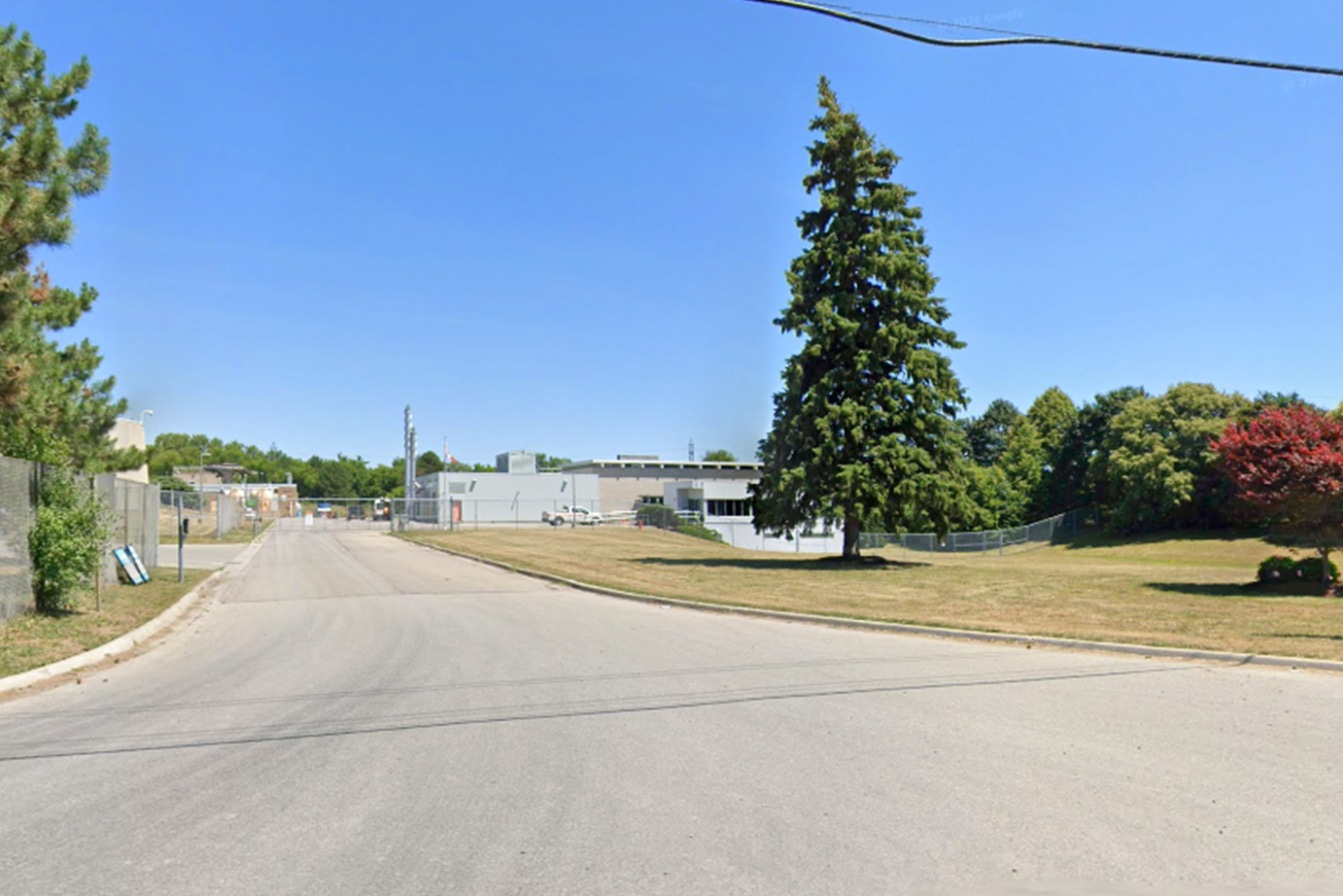
In May 2026, the Ontario government announced nearly $44 million to rehabilitate drinking water, wastewater, and stormwater infrastructure across Niagara. The funding supports projects in St. Catharines, Welland, Fort Erie, and the Regional Municipality of Niagara, including upgrades to the Niagara Falls Wastewater Treatment Plant.
That may sound technical. It is. But it is also one of the clearest signs of what a region needs before it can grow confidently.
Homes need water. Businesses need water. Hospitals need water. Hotels, restaurants, farms, manufacturers, schools, and neighbourhoods all depend on systems most people never see.
Before growth comes the pipes.
The infrastructure people do not see still shapes the economy
When people talk about economic growth, the conversation often moves quickly to jobs, housing, tourism, transportation, and business investment. Those are important. But none of them work without core infrastructure underneath.
A new subdivision cannot move forward without servicing capacity. A commercial district cannot expand without reliable water and wastewater systems. A growing tourism area cannot handle more visitors if treatment plants, storm systems, and watermains are already strained.
That is why the 2026 water infrastructure announcement matters.
According to the Ontario government announcement, the funding includes $24.5 million for primary treatment upgrades to the Niagara Falls Wastewater Treatment Plant, $10.7 million for sanitary, water, and storm infrastructure renewal in Welland’s Broadway area, $4.5 million for a watermain replacement project in Fort Erie, and $3.8 million for the Martindale Pond Weir Rehabilitation project in St. Catharines.
Each project is local. Together, they tell a regional story.
Growth starts with the basics
Brian Grant, Acting Chair of the Regional Municipality of Niagara, said it clearly:
“This investment strengthens the foundations of our communities.”
That is the point.
Water infrastructure is not just about pipes, plants, pumps, and treatment systems. It is about the foundation that allows communities to function, grow, and attract future investment.
For residents, that foundation means reliable service. For businesses, it means confidence. For builders, it means capacity. For municipalities, it means being able to plan growth without constantly reacting to old systems under pressure.
Why this matters now
Niagara is not standing still.
Families are looking beyond the GTA. Local communities are growing in different ways. Tourism is evolving. Manufacturing remains important. Healthcare infrastructure is expanding. Hospitality projects are moving forward. More people are seeing Niagara not only as a place to visit, but as a place to live, work, invest, and build.
That puts pressure on infrastructure.
The Greater Niagara Chamber of Commerce has argued that water and wastewater capacity is essential for future growth in South Niagara. Its advocacy notes that without additional wastewater capacity, population growth and increased tourism traffic become much harder to support.
That is the part people often miss. Infrastructure is not only about fixing what is old. It is about preparing for what is next.
Niagara Falls, Welland, Fort Erie, and St. Catharines all tell part of the story
In Niagara Falls, wastewater upgrades are tied to one of the region’s most important service systems. The Niagara Falls Wastewater Treatment Plant serves residents and visitors, making it a critical asset for both everyday life and the visitor economy.
In Welland, the Broadway area renewal connects water, sanitary, and storm systems to neighbourhood stability and future readiness. For a city known for its canal identity, parks, trails, and central location, infrastructure investment supports both livability and local growth. Explore more about Welland.
In Fort Erie, replacing watermain infrastructure helps support a community shaped by waterfront living, established neighbourhoods, and room to grow. For a town with shoreline appeal and strong local identity, reliable infrastructure protects the everyday experience that makes Fort Erie attractive.
In St. Catharines, the Martindale Pond Weir project is a reminder that infrastructure can also protect local landscapes, water levels, and community assets. It connects to the broader quality of life that defines St. Catharines, from parks and trails to established neighbourhoods and waterfront energy.
None of these projects exists in isolation. They are part of a larger Niagara story.
Growth needs unglamorous work
There is a simple truth in regional development: the most important investments are not always the most visible.
People notice new restaurants, housing projects, hotels, public spaces, and business openings. They do not always notice treatment capacity, stormwater renewal, watermain replacement, or plant upgrades.
But the visible economy depends on the invisible one.
If Niagara wants to support more housing, more employers, more visitors, and stronger communities, infrastructure has to stay ahead of demand. Otherwise, growth becomes harder, slower, more expensive, and less sustainable.
That is why water infrastructure should be treated as an economic priority, not just a public works item.
A stronger region starts below the surface
Niagara’s growth story is often told through lifestyle. And yes, lifestyle matters. The region offers waterfront communities, wine country, historic downtowns, rural space, city energy, trails, local food, and neighbourhood character. Niagara Bound captures that range across the region’s 12 municipalities.
But lifestyle needs systems behind it.
The homes people want, the businesses they support, the restaurants they visit, the hotels they book, the parks they enjoy, and the neighbourhoods they choose all rely on infrastructure that works.
So while water infrastructure may not be the flashiest part of Niagara’s economic story, it may be one of the most important.
Because before a region can grow beautifully, it has to function properly.
And that starts below the surface.
Sources:
- Ontario government announcement →
https://news.ontario.ca/en/release/1007419/ontario-investing-nearly-44-million-to-rehabilitate-aging-water-infrastructure-in-niagara-region - Niagara Falls Wastewater Treatment Plant upgrades →
https://www.niagararegion.ca/projects/niagara-falls-wastewater-treatment-plant-upgrades/default.aspx - Greater Niagara Chamber of Commerce water/wastewater advocacy →
https://gncc.ca/south-niagara-water-wastewater/ - CHCH local coverage →
https://www.chch.com/chch-news/ontario-spending-nearly-44m-to-rehabilitate-niagara-water-infrastructure/